
Language

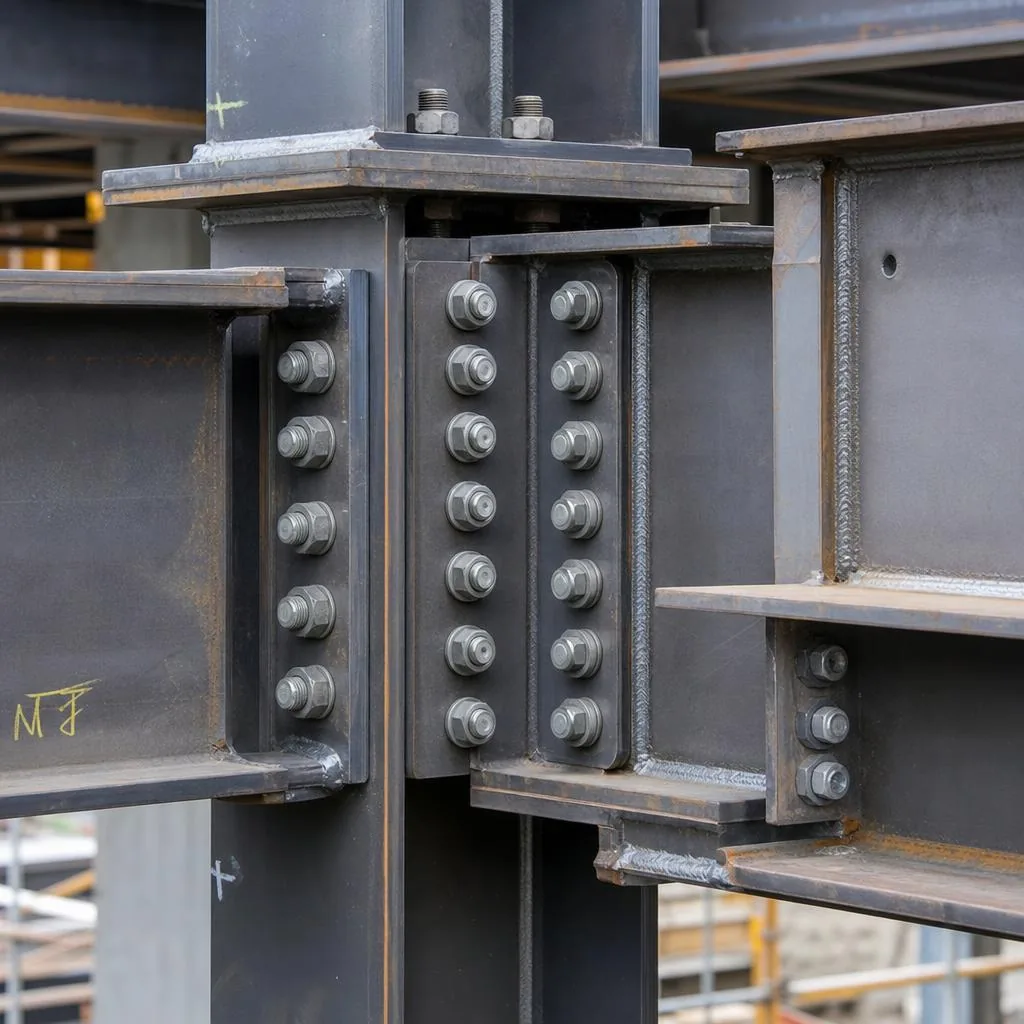
Close-up of a structural steel connection used to coordinate design and fabrication details

Steel Detailing Service

Steel Connection Design & Detailing Support

A connection has to work in the structure and make sense in the shop and field. Tectonix describes connection design and development as part of its steel detailing capabilities, coordinated with the Engineer of Record’s design intent, project information, and fabricator requirements. The exact scope depends on the contract documents and assigned responsibilities.

Who this service is for

  • Steel fabricators who need connection details coordinated with shop standards and fabrication methods.
  • Project teams working through delegated connection design, design-assist, or connection development as part of a structural steel package.
  • Detailing managers coordinating design information, model development, drawing releases, and engineer review.

Connection support starts with the design basis

A connection has to work in the structure and make sense in the shop and field. Tectonix describes connection design and development as part of its steel detailing capabilities, coordinated with the Engineer of Record’s design intent, project information, and fabricator requirements. The exact scope depends on the contract documents and assigned responsibilities.

When a project delegates connection design, connection loads, applicable criteria, and the Engineer of Record’s requirements need to be available before development for review. Missing or conflicting information can be identified and coordinated through the project’s RFI process rather than treated as an approved design decision.

Who this service is for

This support is intended for structural steel fabricators and project teams whose scope includes connection development or coordination. It can fit projects with established fabricator standards, engineer-defined design intent, or delegated connection design in the agreed scope.

It is relevant when connection decisions affect the model, shop drawings, material ordering, or erection sequence. Coordinating questions through the detailing workflow keeps the fabricator, project manager, and design team aligned. Contract responsibilities and required approvals remain governed by project documents and assigned professionals.

How connection coordination moves through a project

Work begins with a review of structural drawings, specifications, connection criteria, and available loads. The team confirms scope, fabricator preferences, outstanding information, and submittal steps. Tectonix’s U.S.-based project manager coordinates questions and records decisions with drawing and revision status.

As the model and connection details develop, the team coordinates geometry, member interfaces, bolts, welds, and fabrication drawing information. Connection questions are tracked through review. Approved changes are handled through the revision cycle so updated details are not mixed with an older issue.

Deliverables and coordination

Depending on the project scope, connection work can be reflected in the Tekla steel model, connection details on shop drawings, and related erection information. The project’s drawing package may also include connection callouts, material information, and CNC or DSTV data extracted from the coordinated model. The exact formats are confirmed during scope review; the existing structural detailing service lists PDF and DWG drawings and NC1, DSTV, DXF, and XML machine-file formats.

Connection questions may also produce an RFI draft or entry in the RFI log when a clarification from the Engineer of Record or another project participant is needed. These records help the team see which decision is open and which details depend on it. A U.S. project manager coordinates submittals and revision status alongside the connection work, while internal drawing QA/QC is part of the broader project management and quality-control service.

What to provide for a useful review

Useful starting information includes current structural documents, specifications, connection criteria, assigned design loads, and fabricator standards. For delegated design, include the relevant scope and review requirements. The team can then identify what is ready, what needs clarification, and which details can progress.

A scope review establishes how connection decisions will be documented and incorporated into drawings. Tectonix’s drawing status and revision logs help keep releases identifiable as decisions affect the package.

A clear process from scope review to release

  1. 1. Confirm scope and design inputs

    Review contract documents, connection responsibilities, available loads, fabricator standards, and approval requirements. Record missing information for follow-up.

  2. 2. Develop and coordinate details

    Coordinate connection geometry and detailing with the steel model, member interfaces, shop requirements, and project sequencing.

  3. 3. Track questions and review

    Route unresolved design questions through the project’s RFI and submittal process, and maintain a clear record of the current review status.

  4. 4. Incorporate approved decisions

    Update applicable model and drawing information through the agreed revision cycle so the current release can be identified by the project team.

Potential project deliverables

  • Connection details coordinated with the structural steel model and shop drawings.
  • Connection information reflected in the agreed drawing and submittal package.
  • RFI drafts or log entries when project clarification is needed.
  • Related model, drawing, and machine-data updates when included in the agreed scope.

Frequently asked questions

Does connection support include connection calculations?

Connection calculations are not assumed for every detailing package. If delegated connection design or calculations are assigned, the project scope, design criteria, required loads, and review path must be confirmed during scope review.

What information is needed to begin?

Provide current structural documents, specifications, applicable connection criteria, fabricator preferences, and connection loads when the project assigns their design. The team can flag missing or conflicting inputs for coordination.

How are open connection questions handled?

Questions requiring project-team or Engineer of Record input can be documented and coordinated through the RFI process. Their status and drawing impacts are tracked with the project.

Can connections be coordinated with shop standards?

The site describes fabrication-focused connection development and coordination with fabricator requirements. Share the current standards and preferences so they can be reviewed as part of the agreed scope.

How do connection changes reach the drawings?

Once the project decision is approved, related model and drawing information is handled through the project’s revision process and identified in the current drawing status.

Is this service available with a full detailing package?

Yes. Connection development is already part of the structural steel detailing scope; this page explains that capability separately for teams seeking connection-focused support.

Discuss your connection design & detailing support scope

Send the project information for a scope review, or contact the team to discuss which deliverables fit your package.